
Structures of Faith: The Holy Sepulchre Church over Time
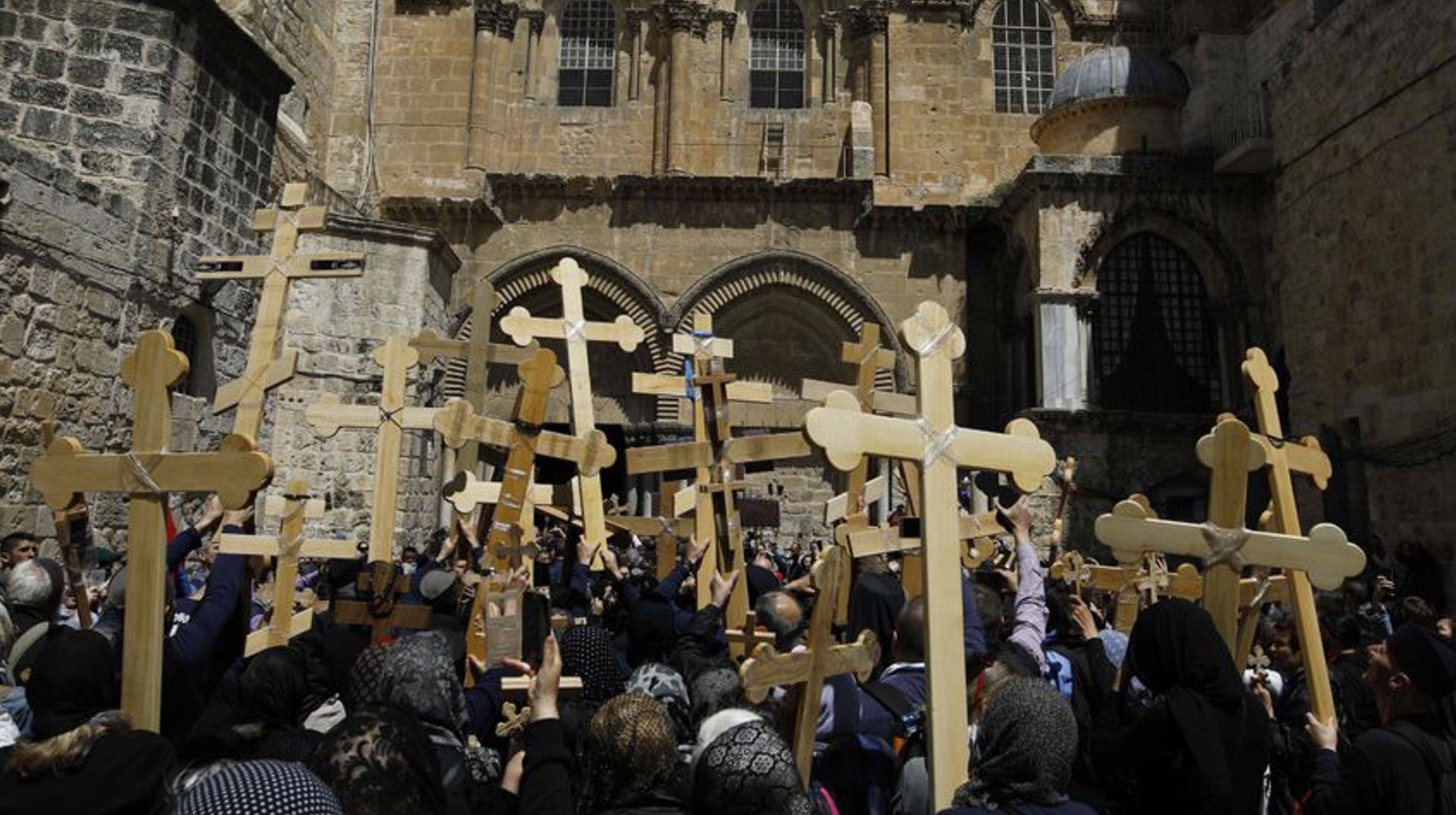
Explore the architectural and spiritual evolution of the Church of the Holy Sepulchre—from its origins in the time of Jesus to the most recent archaeological discoveries. This four-week online course invites participants to examine how the physical transformations of this sacred space reflect and inform the enduring realities of Christian faith.
What You’ll Learn
By the end of the course, you will be able to:
Trace the development of the Church of the Holy Sepulchre from the time of Jesus to the present
Analyze how architectural changes reflect theological and political shifts
Understand the interplay between physical structures and the intangible realities of faith
Appreciate the Church as a dynamic and layered testimony of Christian tradition
Sign Up Today!
Course Information
Course Description
4 Recorded video lecture by the professor
4 PowerPoint Slides
Optional Readings
This is a wonderful opportunity to hear from and work with the dynamic faculty of St Vladimir’s Seminary.
About The Instructor
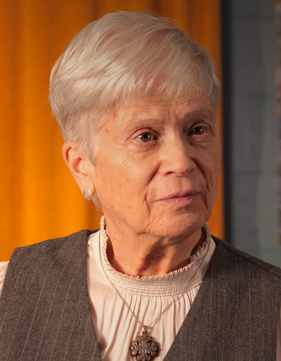
Dr. Roberta R. Ervine
Professor of Armenian Christian Studies
Dr. Ervine was a long-time disciple of the late Archbishop Norayr Bogharian, curator of manuscripts for the Armenian Monastery of St. James in Jerusalem, and of Bishop Guregh Kapikian, Overseer of the Status Quo in the Holy Places. She taught in Jerusalem’s Holy Translators School and lectured at other Jerusalem institutions before joining the faculty at St. Nersess Armenian Seminary in Armonk, NY. Her primary research interests are in the history of Jerusalem’s Armenian community and medieval Armenian patristics. She holds a doctorate from Columbia University, where she studied under the late Nina Garsoian.
Sign Up Today!
Structures of Faith
The Holy Sepulchre Church over Time
Lecture 1: Tracing the Origins: From Christ to Constantine
The shape of the first Holy Sepulchre complex was defined by the geography of 1st century Jerusalem. This session traces the trajectory of its construction process from raw ground to pagan temple to Constantine's great architectural statement of Christian faith.
Lecture 2: Hunting for Constantine: Outside the Holy Sepulchre Church
Although the Constantinian structures stood the tests of time for nearly three centuries after their construction, their very splendor made them vulnerable. This session begins with a quick overview of how historic changes in Jerusalem affected later iterations of building at the site. Then, we set out in quest of remnants from Constantine's structures that are still to be found outside the perimeter of the present Holy Sepulchre Church.
Lecture 3: Following the Trail of Stone: Inside the Holy Sepulchre Church
The literal bedrock of the Holy Sepulchre Church's history has been the rock of the Calvary/Golgotha quarry itself. In this session we will trace the rock throughout the interior of the church. In addition to noting the rock's location, we will also see some of the biblical stories and extra-biblical traditions that have been incorporated into the structures built on it.
Lecture 4: Structuring Faith: The Choreography of Prayer at the Holy Sepulchre Church
The sites of Christ's crucifixion and resurrection have been important to Christian worship since the construction of the Holy Sepulchre Church complex, if not before. Today's system of intense and detailed choreography is designed to keep the holy sites accessible to all Christians that have the right to worship at them, locals and pilgrims alike. This session will address the development of that worship choreograph, and how it works today.